$0.00 0

Cart

No products in the cart.

Account Contact

The ABC's of HEMP

From textiles, to rope, to protein, CBD & THC, this page is here to go over the differences of HEMP and its relatives.

HEMP AND THE FOUNDING FATHERS

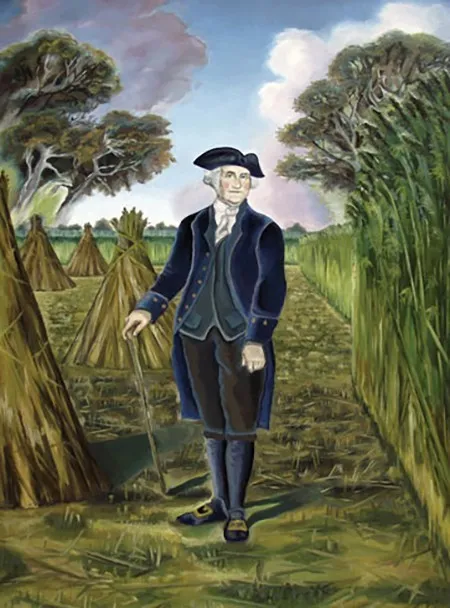
George Washington: Washington farmed hemp at his Mount Vernon estate and wrote about finding, harvesting, and sowing hemp seeds in his diaries. In all, there were over 90 mentions of hemp in his writings. In a farm journal from August 7, 1765, Washington describes taking too long to separate the male from the female hemp plants.

Thomas Jefferson: Jefferson grew different varieties of hemp on his Monticello estate, and wrote about the great potential of hemp as a cash crop. He loved how productive and hardy the crop was and that it grew forever on the same plot, even with little maintenance from farmers. While he was ambassador to France, Jefferson smuggled high quality hemp seeds out of China to France and then to America. Years later when the United States became an independent country, the first patent it issued was for Thomas Jefferson’s hemp threshing machine.

Benjamin Franklin: Franklin founded the first commercial cannabis operation in America and owned a paper mill that manufactured parchment using hemp fibers. These papers were used to draft the literature that was used to help unite colonists against British forces.

James Madison: Madison grew hemp on his farm. Correspondence has been discovered that show Madison and Thomas Jefferson discussed falling hemp prices compared to tobacco. He explicitly stated his personal consumption and allegedly claimed that hemp’s creative properties gave him valuable insight that helped structure our democratic concepts. However, there is no proof to the rumor that he wrote the Federalist Papers in “a haze.”

"Two of my favorite things are sitting on my front porch smoking a pipe of sweet hemp, and playing my Hohner harmonica."

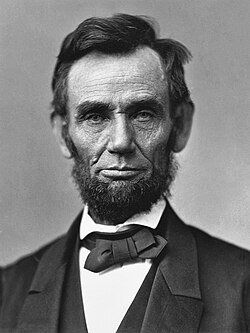
Abraham Lincoln

HEMP-A VERSATILE PLANT

The cultivation of hemp can be traced back thousands of years. It has been an integral part of many civilizations, including ancient China, where it was used to make textiles, ropes, and paper. In Europe, hemp fiber was used in shipbuilding, while the American colonies relied heavily on hemp for producing ropes, canvas, and clothing.

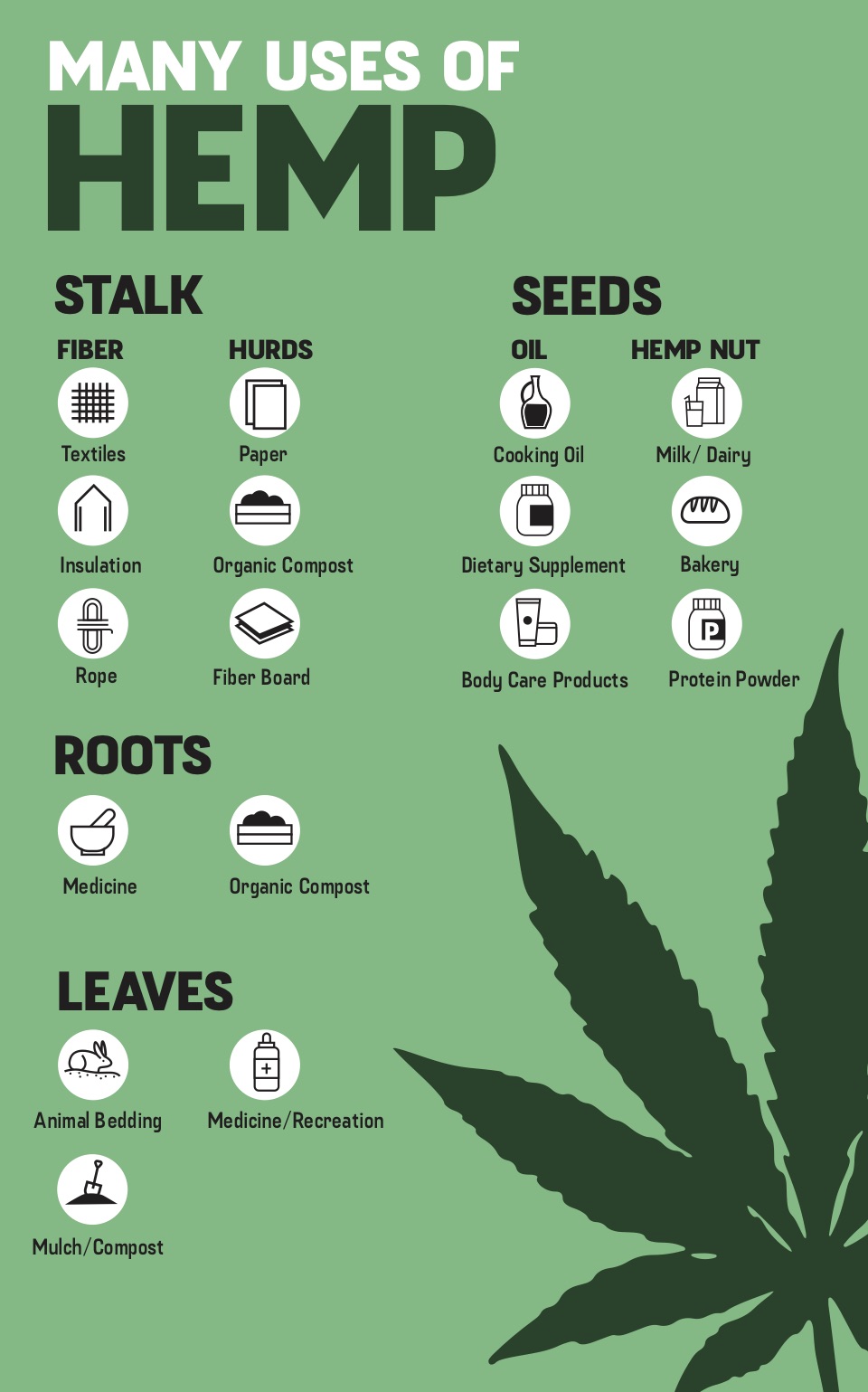
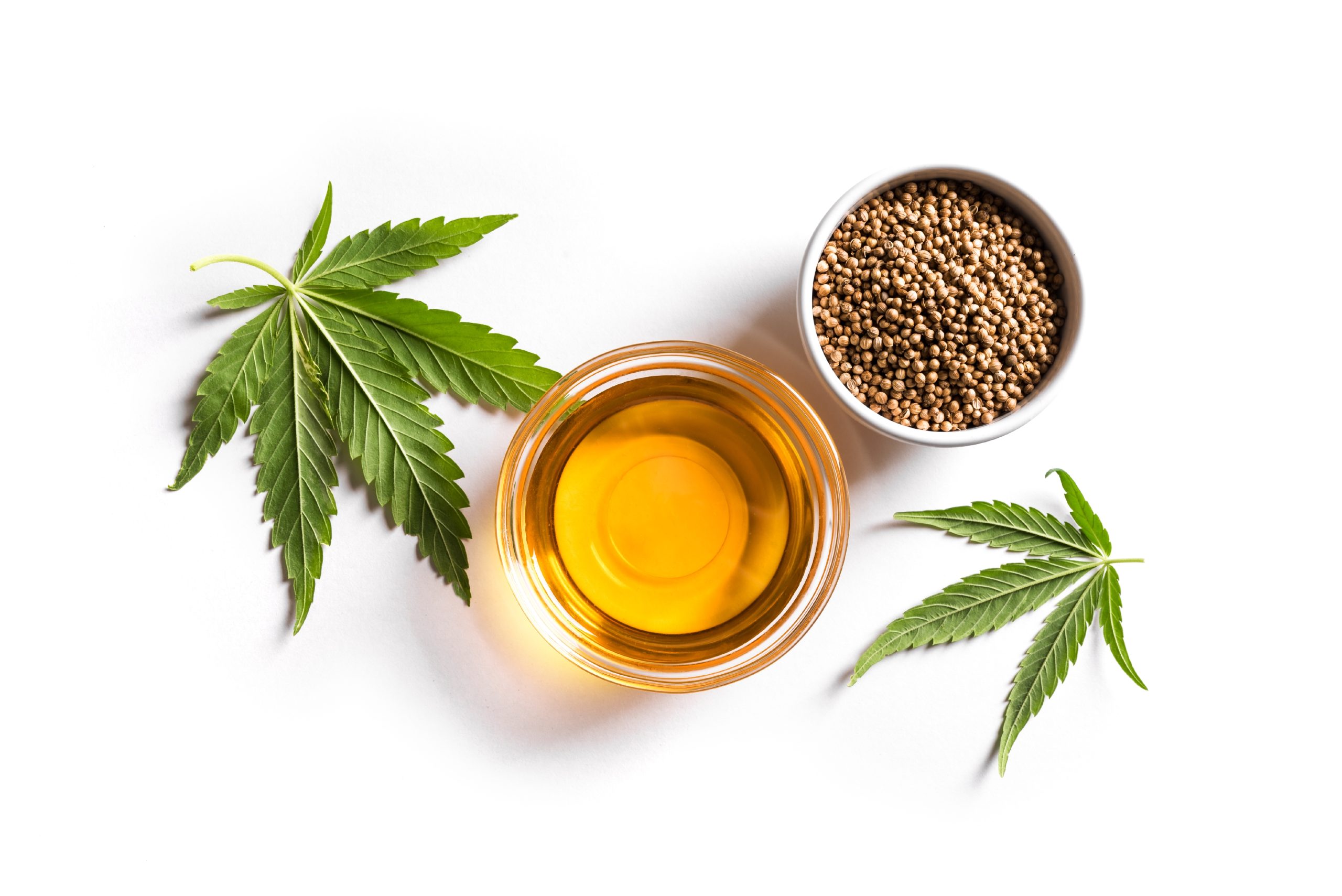
Hemp's versatility knows no bounds. Its fibers can be transformed into durable textiles, ropes, and construction materials. Hemp seeds are rich in protein, healthy fats, and various nutrients, making them a valuable addition to a balanced diet. Moreover, hemp oil derived from the plant's seeds has gained popularity for its potential health benefits.

Hemp seeds have gained recognition as a superfood due to their impressive nutritional profile. They are an excellent source of plant-based protein, containing all nine essential amino acids. Hemp seeds also provide a healthy balance of omega-3 and omega-6 fatty acids, which are essential for heart and brain health. Additionally, hemp-derived products, such as CBD oil, have gained attention for their potential therapeutic properties.

Hemp cultivation offers several environmental advantages. The plant requires minimal pesticides and herbicides, making it more sustainable compared to other crops. Furthermore, hemp has a rapid growth cycle and absorbs large amounts of carbon dioxide, making it a valuable tool in combating climate change.

HEMP VS. CANNABIS


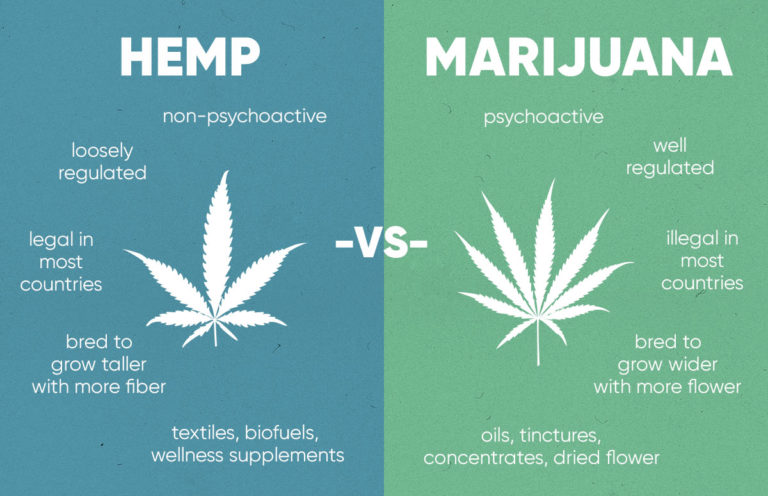
Hemp and marijuana are two varieties of the same basic plant: Cannabis sativa: they look different, grow differently, and have different uses and benefits.

Hemp, also called industrial hemp, is legal to grow in the U.S., but only a few states have operating industrial hemp growing programs that fit USDA guidelines.

Both hemp and cannabis can produce CBD products, but hemp has very low levels of THC (tetrahydrocannabinol), less than 0.3%.

Marijuana is the term generally used to refer to cannabis that contains higher levels of THC, which produces a psychoactive effect.

Hemp, aka industrial hemp, is grown and used to produce textiles, nutritional supplements like hemp oil, biofuels, and even plastics.

While science doesn’t differentiate between “hemp” and “cannabis,” the law does. Legally, the key difference between the two is tetrahydrocannabinol (THC) content.

HEMP 

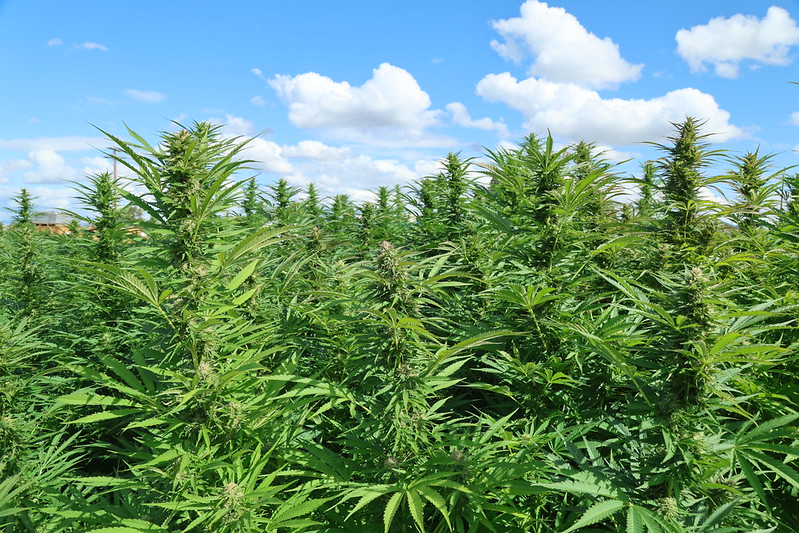
Hemp, aka industrial hemp, does have some THC, but in such a low amount that it is unlikely to produce any euphoric effects. Hemp legally must have below 0.3% THC in order to be cultivated under USDA regulations.
 
Industrial hemp became legal to grow in research programs through the 2014 Farm Bill, and in 2018, Congress passed a new Farm Bill which allows all states to create legal industrial hemp programs. 

With less than 0.3% THC and potentially higher amounts of CBD (cannabidiol), hemp’s uses can be ropes and textiles, biofuels (like biodiesel), and nutritional or wellness supplements, some made from CBD, and others made from hemp oil. 

Cannabis

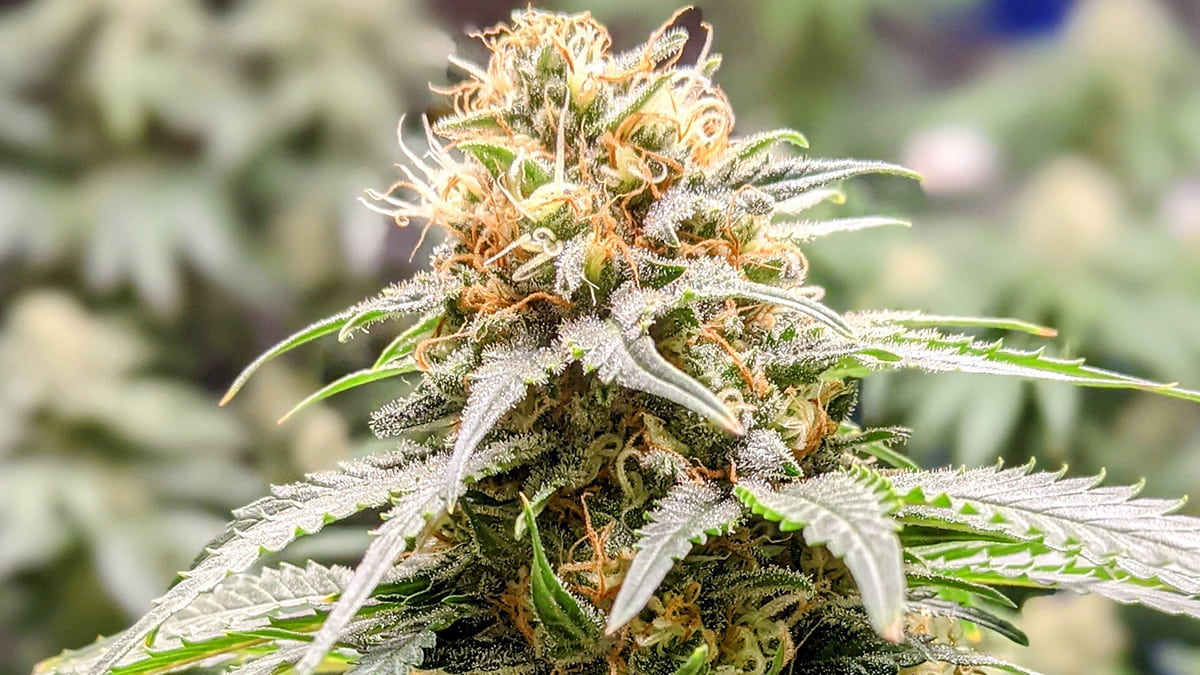
Usually, when people say “marijuana,” they’re talking about cannabis that can get you high. The term is used interchangeably with “weed” and a number of other terms.

With more than 0.3% THC and plants that contain less fiber than hemp varieties, marijuana’s uses are primarily psychoactive. Cannabis can be used recreationally or medically, and it can be processed into CBD and THC oils, tinctures, and concentrates, as well as smoked in dried flower form.
 
Cannabis plants have been designated as Cannabis sativa, Cannabis indica, or a hybrid. Each of these has its own purported characteristics and effects, although science has yet to verify this.

OUR HEMP 

Our Hemp is grown in beautiful douglas county in southern Oregon. Grown to organic standards, we are committed to producing the highest quality hemp that is free from pesticides and herbicides. We use an 'old time' technique to extract our CBD rich hemp compounds with a solvent-free low heat, slow extraction process that ensures the highest yields from our hemp while keeping the naturally occuring THC as low as possible. We test our Hemp three times annually. Once at Harvest, once after concentration and once for our final product so you can trust that all of our hemp products and Clean, Safe and Effective for everyone.
Contact Us

Have any questions? Let us know!

PHONE
(541) 673-2188
MAILING & PAYMENT ADDRESS
Tropiceel Products Inc. – Naturulz
PO Box 940
Roseburg, OR 97470